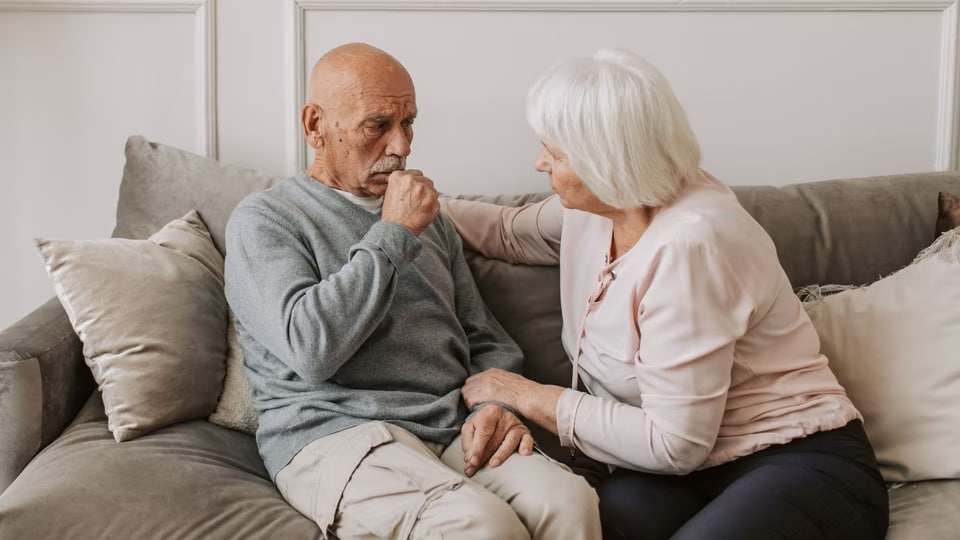
Why are adults above 65 more vulnerable to pneumonia? Doctor explains seven risk factors, warning signs, life-threatening complications and prevention tips
Every year, World Pneumonia Day, observed on November 12, reminds us of the importance of understanding pneumonia, recognising its early symptoms and taking steps to prevent it. While pneumonia can affect people of all age groups, older adults, especially those above 65, are more vulnerable to the infection and its complications.
In an interview with HT Lifestyle, Dr Loveleen Mangla, senior consultant and chief interventional pulmonologist, Metro Hospital, Faridabad, with more than 17 years of experience, explains, “As we age, our body’s natural defence mechanisms gradually weaken, making it more difficult to fight infections. Older adults are particularly vulnerable to pneumonia because of changes in lung function, reduced immunity and the presence of underlying health conditions.”
Why are older adults more vulnerable to pneumonia?
According to Dr Mangla, several age-related factors increase the risk of pneumonia among senior citizens:
1. Weakened immune system: Ageing reduces the body’s ability to fight infections, making older adults more vulnerable to pneumonia.
2. Age-related lung changes: Reduced lung elasticity and weaker respiratory muscles affect the lungs’ ability to clear mucus effectively.
3. Impaired cough reflex: A weaker cough makes it difficult to remove mucus and harmful microorganisms from the respiratory tract.
4. Swallowing difficulties: Food, liquids, or saliva may accidentally enter the lungs, leading to aspiration pneumonia.
5. Chronic medical conditions: Diabetes, COPD, asthma, heart disease, kidney disease and neurological disorders increase the risk of infection and complications.
6. Poor nutrition: Malnutrition and frailty can weaken immunity and delay recovery.
7. Reduced mobility: Prolonged bed rest and limited physical activity can affect lung expansion and airway clearance.
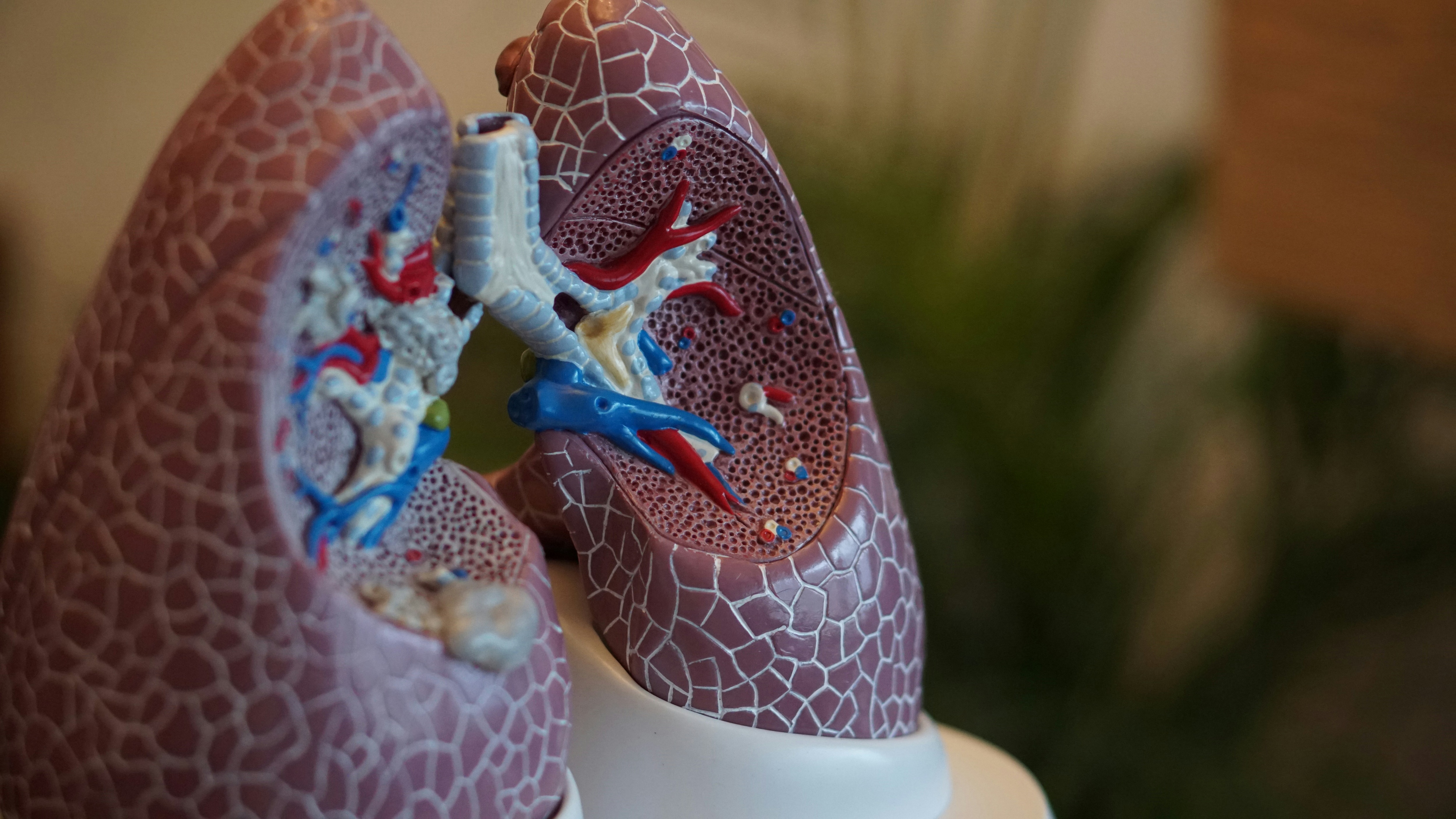
Why can pneumonia become life-threatening in older adults?
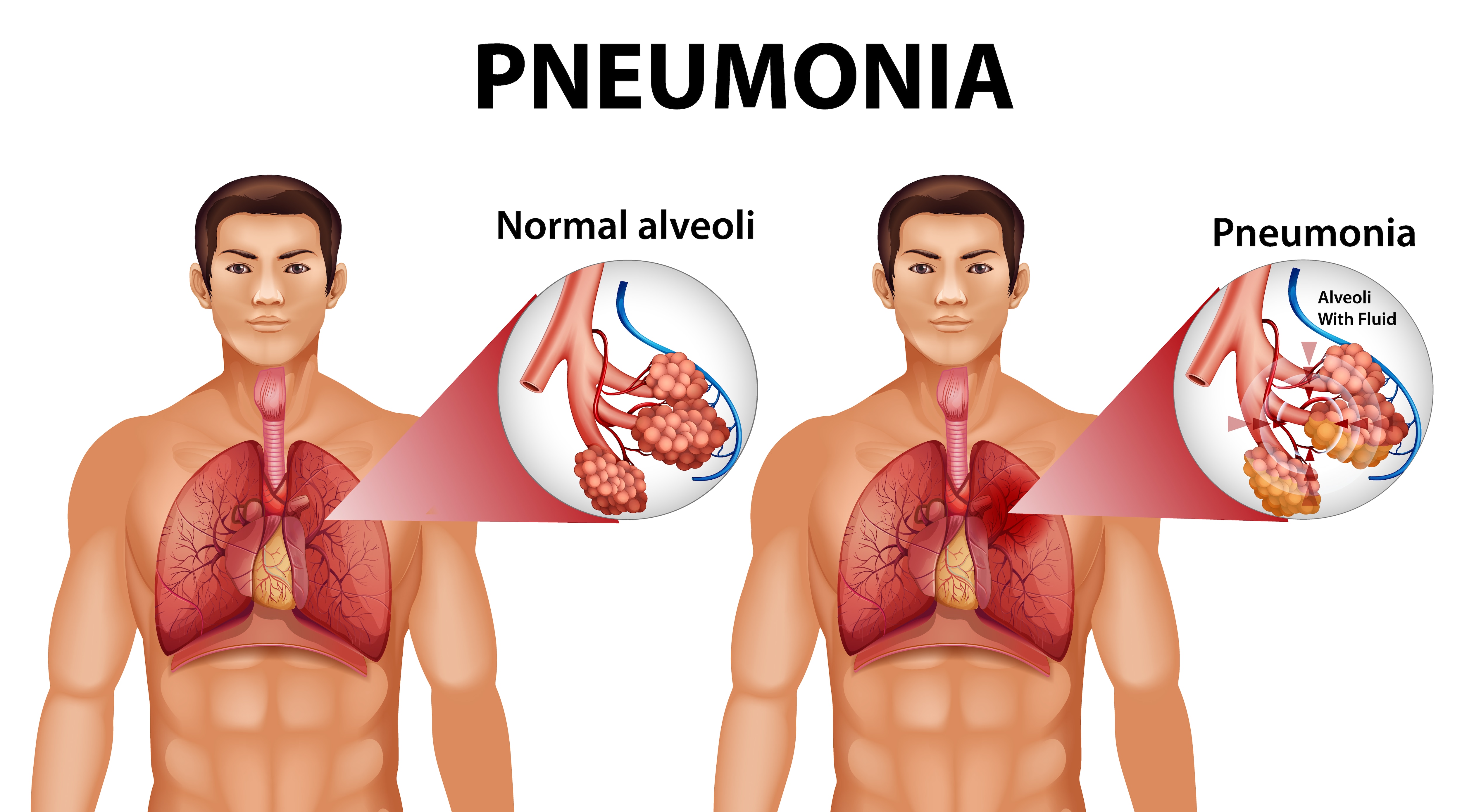
Dr Mangla explains, “Pneumonia can become particularly dangerous in older adults because their bodies may have limited reserves to cope with the infection. When inflammation affects the air sacs of the lungs, oxygen levels can fall significantly. In severe cases, the infection may lead to respiratory failure, sepsis and dysfunction of other vital organs.”
According to Dr Mangla, potential complications include:
- Severe oxygen deficiency: Low oxygen levels can affect vital organs.
- Respiratory failure: The lungs may become unable to supply sufficient oxygen.
- Sepsis: A severe response to infection can cause life-threatening organ dysfunction.
- Worsening of existing illnesses: Pneumonia can aggravate underlying heart and lung conditions.
- Acute kidney injury: Severe infection can affect kidney function and other organs.
Warning signs of pneumonia older adults should not ignore
Dr Mangla highlights the following common symptoms:
- Fever or unusually low body temperature.
- Persistent cough, with or without sputum.
- Breathlessness or rapid breathing.
- Chest pain while breathing or coughing.
- Unusual fatigue and weakness.
- Confusion, disorientation or sudden behavioural changes.
- Reduced appetite and declining general health.
Importantly, pneumonia may not always present with typical symptoms in older adults.
“Older adults may develop pneumonia without a high fever or prominent cough. Sometimes, sudden confusion, unexplained falls, loss of appetite, excessive weakness or a sudden decline in their general health may be the earliest indications of an underlying infection. Families and caregivers should remain alert to such changes and seek timely medical evaluation,” says Dr Mangla.
How can pneumonia be prevented in older adults?
Dr Mangla recommends the following precautions to reduce the risk of pneumonia and its complications:
1. Stay up to date with vaccinations: Take pneumococcal and annual influenza vaccinations as recommended by a healthcare professional.
2. Stay physically active: Regular, age-appropriate exercise supports lung function and overall health.
3. Maintain good nutrition: A balanced diet with adequate protein, vitamins and minerals helps support immunity.
4. Stay hydrated: Drink sufficient fluids unless medically restricted.
5. Practise good oral hygiene: Regular brushing and dental care help reduce harmful microorganisms.
6. Avoid smoking: Stay away from tobacco and second-hand smoke.
7. Manage chronic conditions: Keep diabetes, COPD, asthma and heart disease under control.
8. Seek timely medical advice: Do not ignore persistent cough, breathing difficulties, fever or sudden confusion.
Dr Mangla concludes, “The key to reducing pneumonia-related complications in older adults is prevention, early recognition and timely medical intervention. Families should not dismiss sudden weakness, confusion or breathing difficulties as a normal part of ageing. Appropriate vaccination, good nutrition, physical activity and proper management of chronic illnesses can go a long way in protecting the respiratory health of senior citizens.”